
Honestly, most "office events" end the same way.
Decent turnout, mild small talk, and zero lasting impact on how connected your team actually feels. And you know what, the fix isn't a bigger budget or a fancier venue. It's picking the right format (in-office, off-site, or virtual), matching it to what you can actually spend, and following up with a moment of recognition that makes people feel seen.
Below are 31 ideas built around exactly that. They're organized by format and budget, with the follow-up step most teams skip.
Key Takeaways
- An event only sticks when it's paired with a recognition or feedback moment right after, not left as a one-off afternoon.
- 31 event ideas are organized into four formats: in-office, holiday and seasonal, off-site, and virtual.
- Match the format to your budget and your remote or hybrid mix first, then pick the specific idea.
- A short post-event pulse survey is the simplest way to tell whether an event is worth repeating.
What Makes an Office Event Actually Work (Not Just "Fun")
An office event improves engagement when it pairs a clear activity with a recognition or feedback moment right after. Skip that link, and you get a good afternoon with no lasting effect.
How about recalling your last office event?
Catering was good, games landed, people laughed. Then Monday came, and nothing had actually changed. That's the pattern, the event isn't the lever, what happens right after it is.
Teams that get real lift from events close the loop. A quick shoutout to who organized it or who stood out. A two-minute pulse check. Even a specific thank-you. That turns a one-off afternoon into something people remember and act on.
To be honest, format matters less than you'd think. In-office potluck or virtual trivia hour, the same rule applies. For more ways to build this into your calendar year-round, check out our guide to employee engagement activities.
31 Epic Office Event Ideas That Your Employees Will Surely Love
A. In-Office Events
1. Monthly Potluck
Employees bring their favorite dish to share, breaking up the usual lunch routine and building relationships along the way. Rotate a theme each month (comfort food, cultural dishes, healthy eats) to keep it fresh.
2. Office Cook-Off
Divide teams and let them compete for "Best Dish." Great for team bonding and a little friendly rivalry. Bring in one neutral judge, like a manager from another department, to keep it fair.
3. Desk Decorating Contest
Themed contests (holiday, "favorite movie," etc.) turn ordinary workstations into a fun, low-cost source of team energy. Let employees vote for the winner to boost participation beyond just the entrants.
4. Trivia or Puzzle Day
A short brain-games session, solo or in teams, with small prizes for the winners. Pull questions from company history or inside jokes to make it feel personal, not generic.
5. Talent Show
Employees showcase a hidden skill or hobby
Low cost, high connection. This works especially well for surfacing skills people never mention at work, like music, art, or stand-up comedy.
6. Karaoke Night
An easy, budget-friendly way to get people laughing together outside of work mode. A rented machine or a free app is all it takes; no venue required
7. Lunch and Learn Sessions
A team member or guest speaker shares a skill or insight over lunch, mixing learning with a break from the desk. Let employees volunteer topics; it turns the session into peer recognition too.
8. Bring Your Pet to Work Day
A simple, popular perk that lifts office mood for the day. Set a few ground rules in advance (allergies, temperament) so it stays low-stress for everyone.
9. Motivational Speaker Session
Bring in an outside speaker to energize the team, on or off industry topic. Follow it with a short group discussion so the message actually sticks past the hour.
10. Employee Appreciation Day
A dedicated day to formally recognize contributions across the team. Pair it with handwritten notes or small awards for specific, named contributions, not just generic praise.

Vantage Influencers Podcast
A simple gesture of appreciation can instantly lift workplace productivity, satisfaction, and talent retention.
Featuring Dr. Elia Gourgouris · The Happiness Doctor
Listen to the Episode11. Milestone and Work Anniversary Celebrations
Mark tenure and big wins with a small, consistent recognition ritual. Consistency matters more than scale; a two-minute shoutout every month beats one big party a year.
Do Give a Read: Career Milestones: 25 Examples, Types & How to Celebrate Them
B. Holiday & Seasonal Celebrations
12. Christmas Party
A festive, family-friendly event with food, drinks, and year-end recognition built in. Use it as the moment to publicly recap wins from the whole year, not just the quarter
13. Halloween Party
Costume contests and in-office "trick or treating" make for an easy team-building win. Give departments a shared theme to encourage cross-team collaboration on costumes.
14. New Year's Day Kickoff
Reflect on the past year and set intentions together as a team. Ask each person to share one win from the past year publicly; it doubles as informal recognition.
15. Valentine's Day Appreciation
Reframe it as a day of workplace gratitude rather than romance. A simple "one thing I appreciate about a coworker" card exchange keeps it inclusive and low-pressure.
16. Diwali Party
Celebrate with gift exchanges, decorations, and shared festivities. You can invite team members to explain the traditions behind their contributions; it builds cultural awareness alongside the celebration.
17. Holi Party
Color-themed games and an art competition make this a high-energy team event. Provide old clothes or aprons in advance so people aren't worried about ruining outfits.
18. Earth Day
Screen a short documentary, commit to a green initiative, or plant trees as a team. Track the initiative's progress after the event; it turns a one-day activity into an ongoing team goal.
19. World Kindness Day
You can encourage handwritten notes of appreciation or a small community outreach gesture. Anonymous notes tend to get more participation than signed ones, since people feel less self-conscious.
20. Independence Day
Traditional dress, food, and stories to mark the occasion. Ask a few employees to share a personal story or family tradition tied to the day.
21. Off-Site Events
Nobody can resist a day outdoors with games, music, and food, away from the office entirely. To make it more fun, mix competitive and non-competitive stations so introverts and extroverts both have a good time.
22. Escape Room Challenge
A structured, high-engagement team-building activity that forces collaboration under pressure. Once done, you've to debrief afterward on what worked well as a team; the insights often carry back into actual projects.
23. Sports Day / Company Olympics
Team-based physical challenges and friendly competition work wonders. Mix teams across departments rather than by existing team lines to build cross-functional relationships.
24. Volunteer / Community Service Day
There is nothing better than giving it back together as a team. In fact, volunteering is consistently rated as one of the highest-impact event types for engagement. Let employees vote on the cause in advance so it feels meaningful, not assigned.
25. Company Retreat
A multi-day off-site combining strategy, bonding, and downtime. Balance structured sessions with genuinely free time; over-programming is the most common retreat complaint.
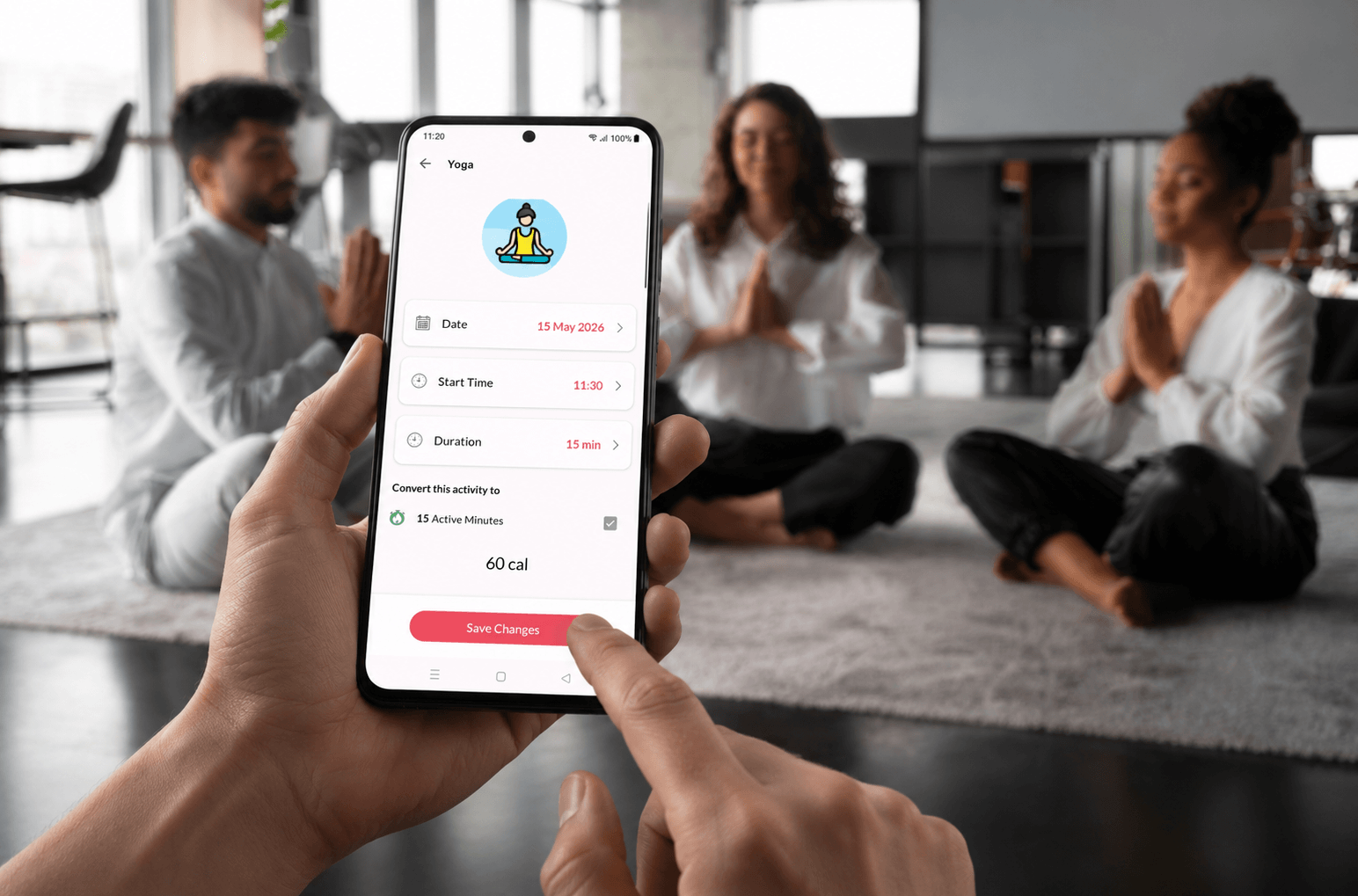
26. Wellness Day / Group Yoga Session
A lower-intensity off-site focused on mental health and recovery, not competition. Follow up with an optional resource (meditation app subscription, counseling access) to extend the benefit past the day.
Source: Vantage Fit
C. Virtual Events
27. Virtual Trivia Night
Remote-friendly team competition using a video call and a shared quiz tool. Keep teams small (4-5 people) so everyone gets a chance to contribute.
28. Virtual Coffee Chats
Randomly paired 1:1 calls that help remote teams build informal connections. Provide a few optional icebreaker prompts so the conversation doesn't stall in the first minute.
29. Online Game Tournament
A shared game night for distributed teams, low-cost and easy to run. Pick simple, browser-based games so no one is excluded by hardware or downloads.
30. Virtual Talent Show
Same concept as the in-office version, adapted for remote teams. Record it and share the highlights afterward for people in different time zones.
31. Virtual Book Club
A recurring, low-lift way to keep remote employees engaged between bigger events. Rotate who picks the book each cycle to keep ownership shared across the team.
How to Measure Whether an Office Event Worked
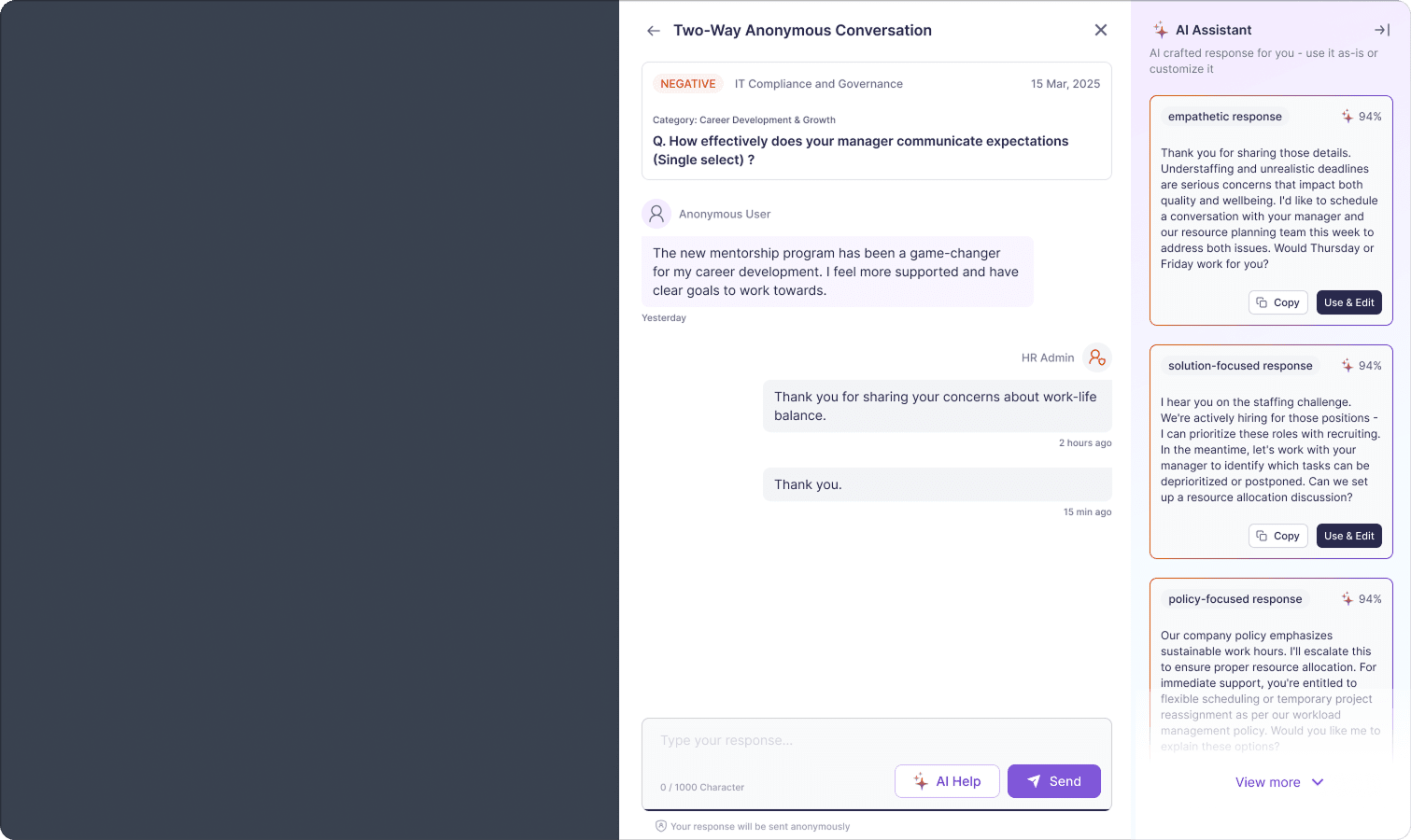
You'll be surprised to know that the simplest way to measure whether an event worked is a short post-event pulse survey, sent within a day or two while the experience is still fresh.
You don't need anything elaborate.
Three or four questions is plenty:
- Did people enjoy it?
- Did it feel worth their time?
- Would they want it repeated?
And one open-text box for anything specific. You can add an eNPS survey question to the same pulse, something as simple as "how likely are you to recommend working here to a friend," and you get a number you can actually track, not just good vibes in the room.
Now, most teams never actually get to this part. Comparing it to your last event of the same type. One good afternoon doesn't really tell you anything by itself. But look at three or four events in a row, and a pattern starts to show, whether your calendar is building real connection or just filling time.
A short, anonymous survey tends to get more honest answers, especially for anything that came out of a tight budget. And the results are usually more useful the next day, while it's still fresh, than they are three months later in a quarterly review.
Source: Vantage Pulse
Nothing fancy is needed here, a simple tracker works just fine. It's really just about making sure the "fun" leaves some kind of trace, so there's an actual answer the next time someone asks what's worth doing again.
Frequently Asked Questions
1. What are some ideas for office parties?
Popular office party ideas include a Christmas party, a Halloween costume party, a Diwali celebration, and a New Year's Day kickoff. Pick a format that fits your team's culture, then pair it with a moment of recognition to make it memorable instead of just another afternoon off.
2. What are some fun office activities?
Trivia or puzzle days, a talent show, karaoke night, and desk decorating contests are all low-cost, high-engagement office activities. They work well because they need minimal setup and give introverts and extroverts alike an easy way to join in.
3. Can you give me 20 examples of events?
This guide covers 31 event ideas across four categories: in-office events like potlucks and cook-offs, holiday and seasonal celebrations like Diwali and Halloween, off-site events like field days and company retreats, and virtual events like trivia nights and online game tournaments. See the full list above for details on each.
4. What are some fun activities for a corporate event?
An escape room challenge, a sports day or company Olympics, and a wellness day with a group yoga session all work well for larger corporate events. They combine structured activity with team bonding, which tends to hold attention better than an unstructured mixer.
5. What are some ideas for office events?
Beyond parties, consider a lunch-and-learn session, a volunteer or community service day, or a milestone and work anniversary celebration. These formats double as engagement moments, not just breaks from work, especially when paired with a quick recognition step afterward.
6. What are 5 examples of activities?
Five easy options to start with: a monthly potluck, a trivia night, a desk decorating contest, a virtual coffee chat for remote employees, and an employee appreciation day. Each needs minimal budget and can run on a recurring basis without much planning overhead.
7. How often should companies organize office events?
Mix small, low-cost events monthly, like a potluck, trivia night, or desk decorating contest, with one or two bigger off-sites or retreats a year. Frequent small moments keep engagement steady, while over-programming with too many large events tends to cause fatigue rather than connection.
Finally
Okay, 31 ideas is a lot. You don't need to run them all this year, or ever, honestly.
Just pick one. Something that actually fits your team, not the fanciest option on the list. Add the two-minute recognition moment at the end, send that quick pulse survey the next day, and see what sticks.
That's really it. No bigger budget required, just one good idea and a little follow-through. Go have some fun with it.

Sanjeevani Saikia is a Senior Content Strategist at Vantage Circle, where she leads end-to-end content strategy across SEO, thought leadership, brand storytelling, podcasts, and video. She is also the host of the Vantage Influencers Podcast, where she brings conversations with HR and business leaders from top global organisations, including Fortune 500 companies.
Connect with Sanjeevani on LinkedIn.


