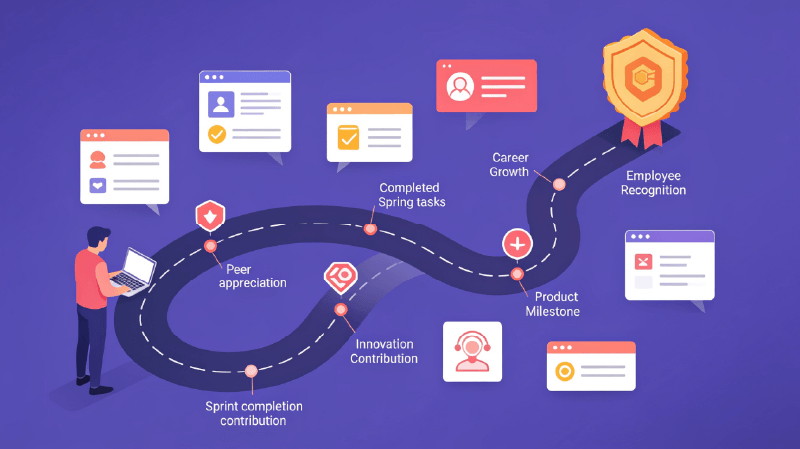
Managing a difficult employee means following a clear sequence: observe and document specific behavior, address it in a private conversation, set measurable expectations, and escalate formally if nothing changes. Most managers skip straight to confrontation. The employees who actually turn around are the ones whose managers followed this order.
Gartner's HR research puts a number on how much of a manager's week this eats up. The average manager now spends about nine hours a week, more than a fifth of their working time, on employees' personal and emotional issues. Behavior problems make up a real slice of that time. It's a bigger drain than most managers admit.
What Counts as a "Difficult" Employee?
A difficult employee is someone whose behavior, not their skill level or output, repeatedly disrupts the team, undermines trust, or creates conflict at work. The test isn't whether a manager likes them. It's whether the behavior is measurably affecting other people's ability to do their job, through meetings they derail, work they make harder for teammates, or morale they visibly damage.
Missing deadlines because of weak time management is a performance issue. Undermining a manager in meetings, or quietly poisoning team morale until nobody remembers how it started, is a behavior issue. That calls for a different response than a performance conversation would.
Most managers lump these together and reach for the same generic advice, which is exactly the trap this framework is built to avoid.
This isn't the page for behavior patterns that have already hardened into a type, like chronic negativity or resistance to every new initiative. Toxic behavior patterns get a fuller breakdown elsewhere. It's also not the page for someone whose numbers have slipped while their attitude stays fine. Underperformance specifically has its own recovery framework. What follows is the process for everything in between: a real behavior problem, still early enough to fix.
This is part of why these conversations go badly before they even start. Nehal Nangia, a senior research director at The Josh Bersin Company, has pointed to the real cause: organizations over-engineer the performance process itself. They under-invest in the manager as a coach. Left untrained, a manager defaults to a vague impression. A documented fact takes actual practice to reach for first.
Step 1: Observe and Document the Behavior
Start a log the first time it happens. Write down what happened. Note when. Note what it affected. Skip the interpretation. Write only what you observed. Guesses about motive don't belong in the record. Facts do.
Vague notes protect no one, not the employee and not you. "Rude in the team meeting again" won't hold up if this ever gets escalated to HR or, worse, into a legal conversation about wrongful termination. A specific record does.
| Vague Observation | Documented Observation |
|---|---|
| "Rude in the meeting again." | "Interrupted the VP three times during the Tuesday 10am product review, each time before she finished a sentence." |
| "Bad attitude lately." | "Said 'this is a waste of time' out loud in the Monday stand-up on March 3, March 10, and March 17." |
| "Doesn't work well with others." | "Told a teammate in a Slack DM, shared with permission, that their idea was 'the dumbest thing I've heard this quarter.'" |
| "Unreliable." | "Missed the Thursday 9am client call on two consecutive weeks without notice, both confirmed by the client." |
One bad meeting doesn't need a conversation. A pattern does. Three documented incidents is a reasonable bar before you schedule one.
A fact a stranger would agree with is ready for a conversation. A feeling isn't.
Step 2: Talk to Them in Private
Schedule a one-on-one. Open with the documented behavior. Then stop talking. The employee needs room to respond before anyone proposes a fix.
Book fifteen minutes, not an ambush tacked onto the end of a longer meeting. Close the door, or find a private room if you're remote, since a group Zoom call with "quick chat?" in the subject line puts people on the defensive before it even starts.
Lead with the specific incident from your log. Skip the general summary of your overall impression. Then wait. Most managers fill silence with more talking, which buries the one thing that actually matters here: the employee's side of it.
I sat in on a conversation like this once, an operations manager and a report who'd been shutting down every planning meeting for weeks. The manager opened with the exact date and quote from her notes, not a vague "you've seemed off lately." The employee went quiet for a second, then said the real issue: her best account had been reassigned to someone else without any explanation. That wasn't visible from the documentation. It only came out because the manager stopped talking after the opening line.
I built the structure below after watching too many of these conversations turn into a list of complaints with no clear ask at the end.
1. Situation: Name the specific incident and when it happened.
2. Impact: Describe what it actually affected, a deadline, a teammate, a client relationship.
3. Expectation: State what needs to be different going forward, in specific and measurable terms.
It rarely comes out as clean as a template in the actual room, but something close to this: "In yesterday's client call, you interrupted Priya three times before she finished explaining the timeline. That made us look disorganized in front of the client, and Priya mentioned afterward that she felt shut out of her own project update. Going forward, I need you to let people finish a full thought before responding, even if you disagree."
Vantage Circle has a separate, deeper guide on having the difficult conversation itself. It covers de-escalation tactics too, including for someone who gets defensive. What follows here is the structure. A script for every possible reaction is a different, much longer document.
A private conversation works best when it isn't the first signal you've had. Sentiment analysis on regular Vantage Pulse surveys can flag frustration or disengagement inside a team weeks before it turns into a shutdown in a meeting. That gives a manager an actual line to open with. A gut feeling doesn't.
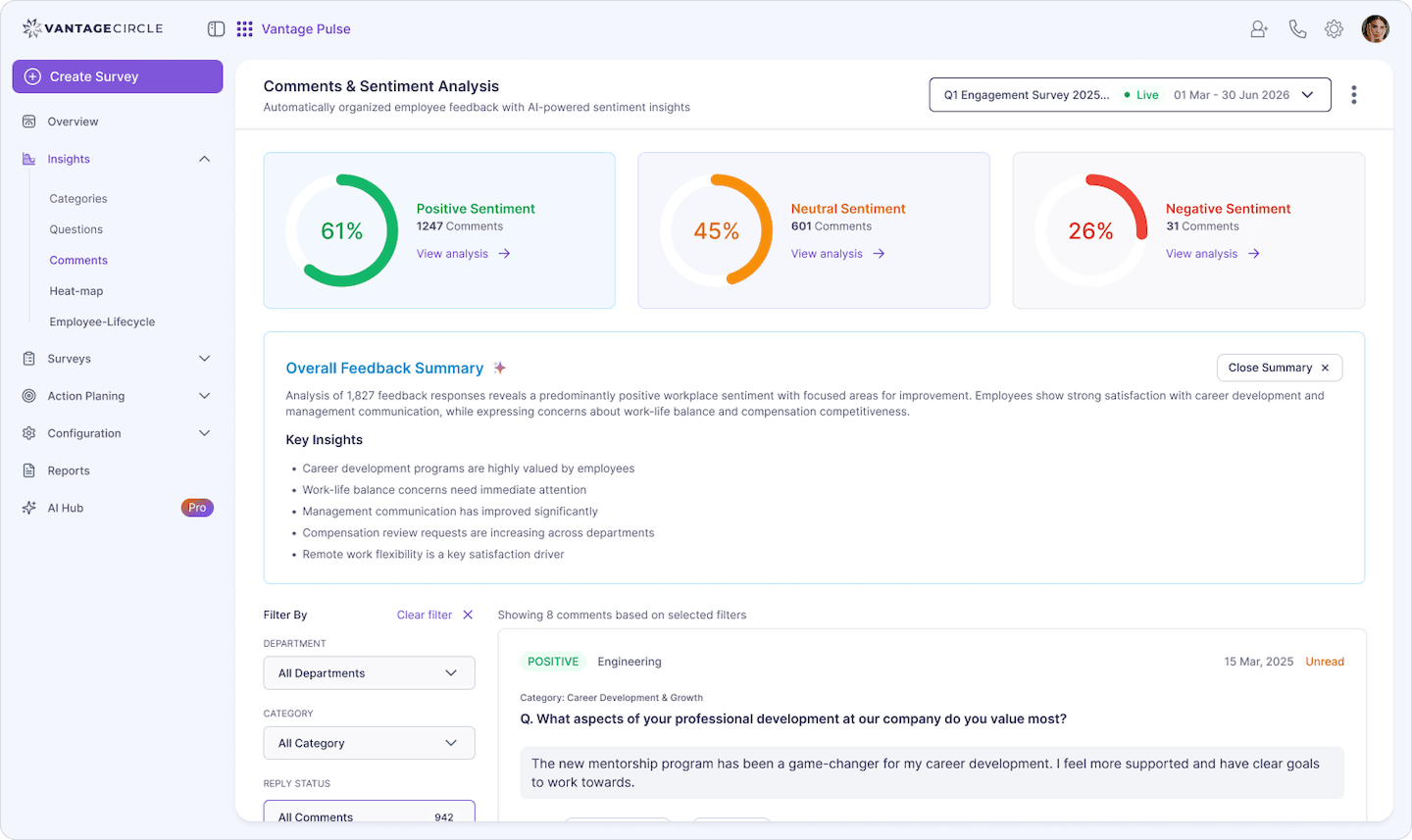
(Source: Vantage Pulse)
Step 3: Set Clear, Measurable Expectations
End the conversation with a specific behavior change. Set a timeline. Agree on how you'll both know it's resolved. Write it down somewhere both people can see it later.
"Please be more professional" sounds like an instruction. It's actually just a feeling, and feelings are hard to act on. The two people in that room will walk out remembering it differently. By next week, each will swear their version is the one that was said.
Most managers think they're already being clear. Gartner's latest manager research found otherwise: only 39% of employees agree their manager is effective at giving clear developmental feedback. That gap is exactly what happens when "more professional" stands in for an actual instruction.
A real expectation names the behavior to stop. It names the behavior to start instead. And it sets a date to check back in. Something closer to: "No interrupting in client calls starting this week. We'll check in after the Thursday call in two weeks to see how it went."
Write it down and send a short follow-up email or Slack message after the conversation. This isn't about covering yourself legally. It's about making sure neither of you misremembers the conversation in three weeks, since memory of a tense meeting fades fast and people tend to remember the version that makes them look better.
Tie the expectation to measurable performance goals wherever possible. A specific number or deadline is much harder to argue with three weeks later than a general impression.
Anchoring a performance conversation to the same core values used in Vantage Rewards' recognition program gives both sides a shared, objective standard to work from. That's a different starting point than a manager's personal read on what "more professional" should look like. The difference shows up fast once the conversation gets specific.
Step 4: Document and Escalate if Nothing Changes
If the behavior repeats, move to a formal step. That means a written warning or a performance improvement plan. The documentation from Step 1 becomes the record that makes this step defensible.
This is where a lot of managers freeze. Nobody enjoys writing someone up. There's a real fear of coming across as punitive after what felt like a productive first conversation. That hesitation is understandable. It's also how six months pass with the same behavior still happening and no paper trail to show for it.
A performance improvement plan works here the same way it works for a skills gap: specific, measurable, time-bound. The difference is that this one is anchored to behavior, and behavior is easier to measure than most managers assume, since it either happened on the agreed date or it didn't.
Here's the four-stage escalation ladder, with who should be in the room at each point.
| Stage | What Happens | Who's Involved |
|---|---|---|
| Informal conversation | A private one-on-one using the Situation-Impact-Expectation structure | Manager and employee |
| Documented conversation | Written summary sent after the conversation, kept on file | Manager, employee, sometimes HR copied |
| Formal PIP | A 30-to-90 day written plan with specific milestones and check-in dates | Manager, HR, employee |
| Separation | Final conversation, documentation reviewed by HR and legal | HR, manager, sometimes legal |
Escalation decisions hold up better when there's a trend behind them. A single remembered incident isn't enough on its own. Department-wise insights inside Vantage Pulse show HR whether a pattern is isolated to one person or wider than that. That changes what the right next step actually is.
Step 5: Know When to Let Them Go
If documented behavior continues past a formal PIP, separation is usually next. It's the healthiest decision for the team, even though it rarely feels that way in the moment.
Managers tend to hold on longer than they should here. Most of the time it's guilt, or a lingering hope that one more conversation will finally land. Sometimes it does. Most of the time, by this stage, it doesn't, and the team already knows it.
What gets missed is the cost of waiting. Every week a documented behavior problem stays unresolved is a week the rest of the team watches leadership tolerate it. That has its own effect on morale, one that's harder to reverse than the original problem.
This isn't a call to make quickly or alone. Loop in HR before the final conversation and confirm the documentation holds up. The decision should match what's actually in the record. How the last few weeks have felt is a separate question.
The Root Causes Worth Fixing Before It Gets Here
Most of what gets labeled "difficult" behavior traces back to one of three root causes. Every one of them is fixable earlier than most managers realize.
1. Unrecognized Effort. An employee who stops believing their work gets noticed will eventually stop trying to make it noticeable. To a manager, that can look exactly like a bad attitude. Real-time recognition through Vantage Rewards' manager recognition feature closes that gap before disengagement turns into something that shows up in a meeting.
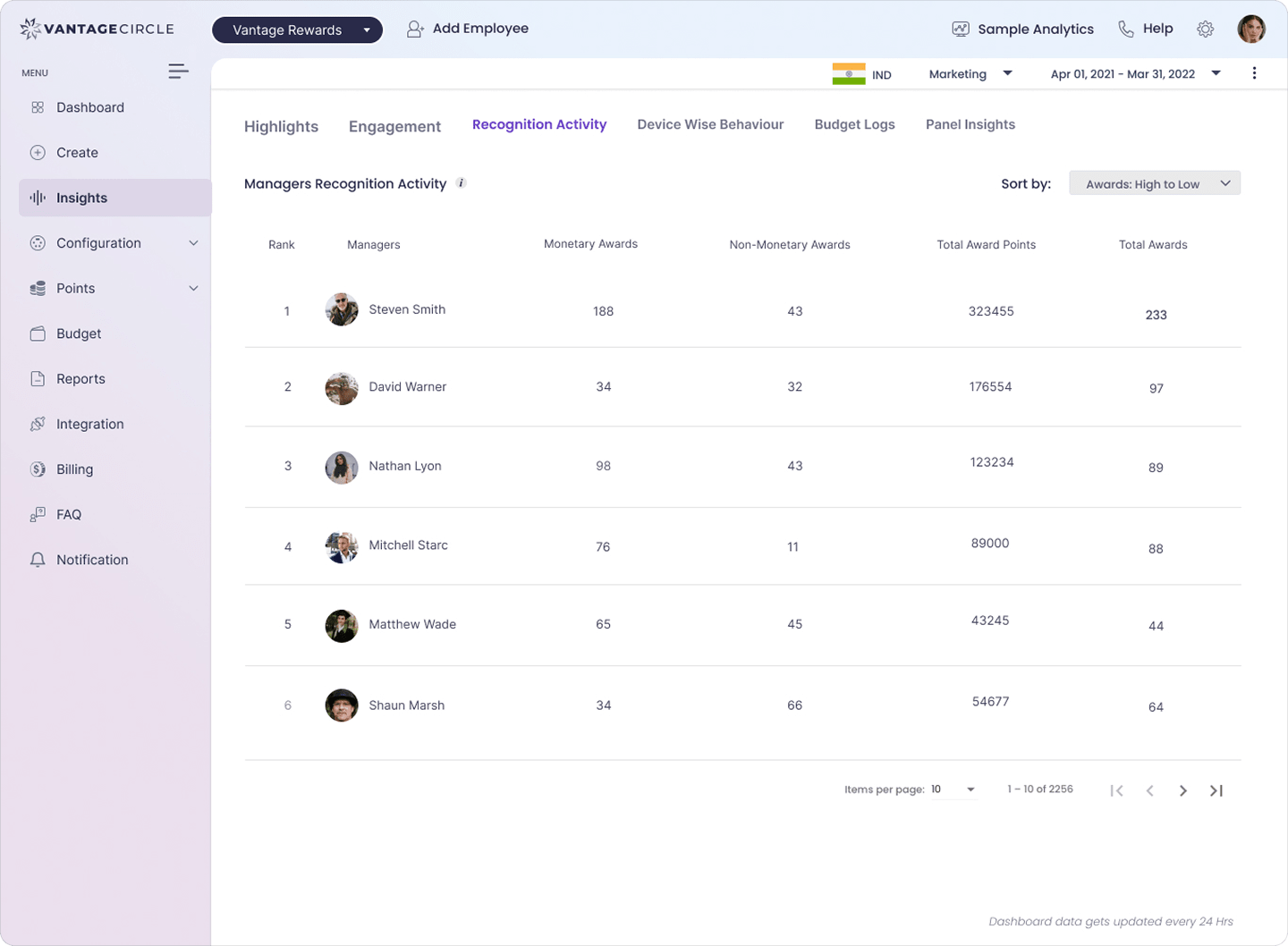
(Source: Vantage Rewards)
2. Unaddressed Burnout. Burnout often looks like a bad attitude well before it looks like exhaustion. By the time a manager notices the exhaustion, the behavior problem has usually already started. Employee burnout and disruptive behavior overlap more than most performance conversations account for. McKinsey's global research backs this up: employees who report high levels of toxic workplace behavior are almost eight times more likely to show burnout symptoms than those who don't. Wellness benefits that people actually use, not just ones listed in an offer letter, give employees a pressure release before frustration turns into the kind of conflict this article is about.
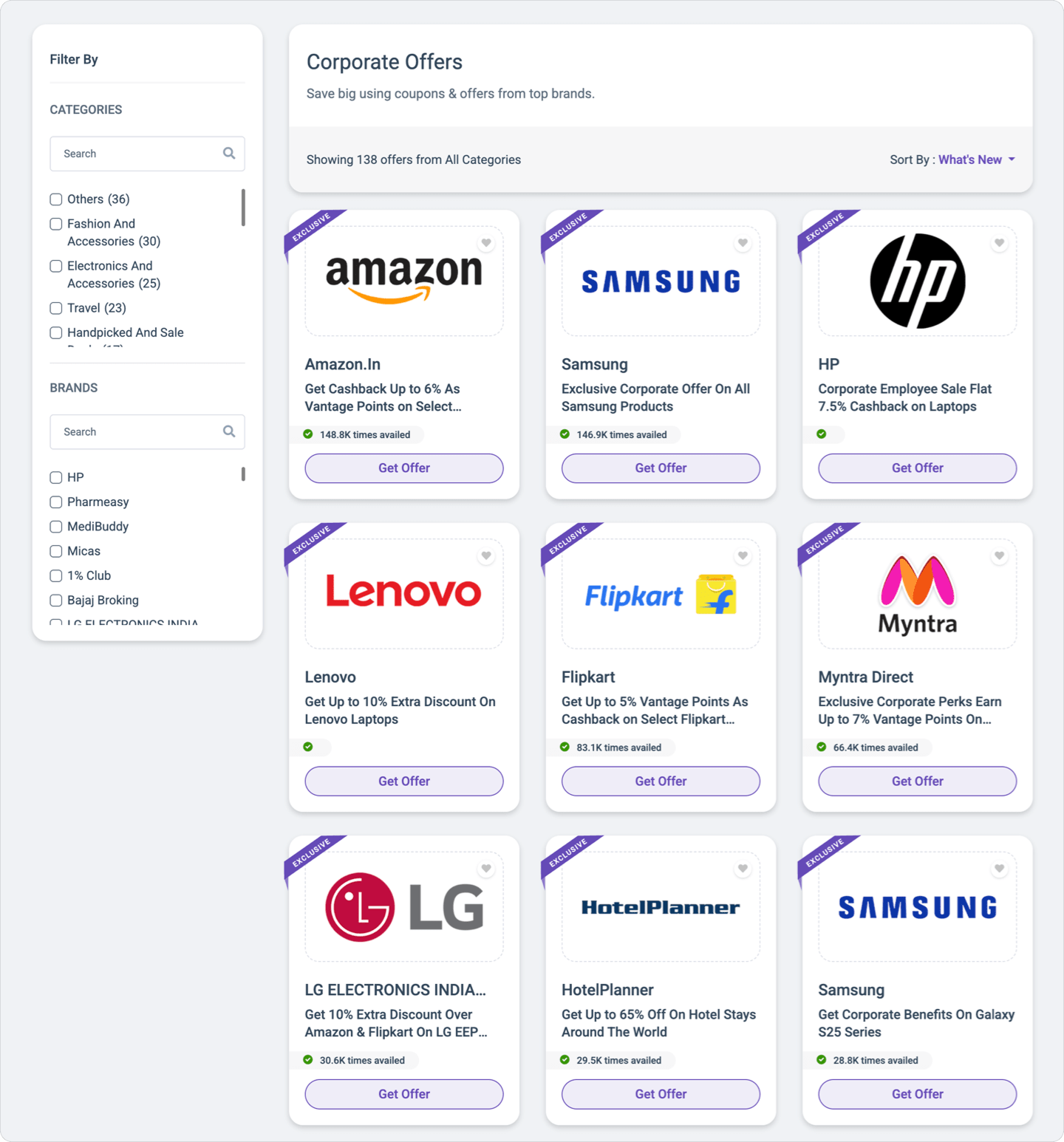
(Source: Vantage Perks)
3. Unheard Friction. Employees rarely raise friction with a manager directly, especially early, when it would still be easy to fix. An anonymous channel inside Vantage Pulse surfaces that friction while it's still fixable, often weeks before it turns into the documented conversation from Step 1. 360 degree feedback processes catch some of this too, though they tend to run on a slower cycle than the day-to-day friction that actually builds into "difficult" behavior.
The SHRM Q4 2024 Civility Index found U.S. organizations lost more than $2.7 billion a day to reduced productivity and absenteeism from workplace incivility, an increase of over $600 million a day from the previous quarter.
That figure covers incivility broadly, not difficult-employee situations specifically, and the two aren't identical. But the overlap is bigger than the distinction. Most of the friction that eventually gets labeled a "difficult employee" problem started as ordinary incivility. It just went unaddressed long enough to harden into a pattern.
Conclusion
None of this is complicated in theory. What's hard is doing it in order, especially the second step, when it's so much easier to either avoid the conversation entirely or rush into it without any documentation behind it.
I've watched managers skip straight to a formal warning because a private conversation felt too uncomfortable to have first, and it almost never goes well. The process above exists because the order matters more than any single step in it.
FAQ
Q1. What are some examples of poor management?
A. Correcting someone publicly instead of pulling them aside privately shows up constantly in these situations. So does moving the goalposts, changing what "good" looks like right after someone actually hits it.
Q2. How do you deal with a subordinate who undermines you?
A. Document it the same way you would any other pattern. Address it directly and privately, using the Situation-Impact-Expectation structure above. Don't retaliate in the moment. It rarely lands the way it feels like it should.
Q3. How do you deal with a defensive employee?
A. Expect the first response to be defensive almost every time. Arguing back rarely helps. Staying quiet does. Most defensiveness fades once someone actually reads back the specific incident from your notes. A general impression doesn't have the same effect.
Q4. What are the six types of difficult employees?
A. There's a full breakdown of the six recognized types, from the chronic complainer to the credit-taker, on Vantage Circle's toxic employee guide. This page focuses on the conversation and the process, and leaves the typology to that guide.
Q5. How do you outsmart a toxic employee?
A. There's no clever move here. Documentation and a clear process beat cleverness almost every time. A toxic pattern rarely responds to being managed around. It responds to being named directly.
Q6. What are 10 signs that an employee might be a bad employee?
A. Missing deadlines without explanation and dismissing feedback outright are two of the clearest. The underperforming employees guide breaks down all ten, along with the causes behind them.
Q7. What scares HR the most?
A. Getting the documentation wrong on a case that ends up in a wrongful termination claim. That single risk shapes more of HR's caution around difficult-employee situations than most managers realize, which is part of why the paper trail from Step 1 matters as much as the conversation itself.
Q8. What should an employer never say to an employee?
A. Anything that sounds like a promise about job security tied to a specific outcome, since that language can turn an ordinary performance conversation into a contract dispute later. Vague threats work about as badly, since they're impossible to document and easy for an employee to dispute afterward.
Q9. What is the #1 reason that employees get fired?
A. Most people picture one big dramatic incident, but it's usually a smaller pattern, missed deadlines or a slow breakdown of trust with a manager, that went undocumented and unaddressed for too long before anyone actually acted.

He has worked in the human resources environment and has elevated recognition and rewards through his insightful and detailed writing. He aims to enhance the practice of Recognition in the workplace with new ideas and innovation that will help shape the work culture. For any related queries, contact editor@vantagecircle.com